
Homeowners' pick for heating and cooling across Virginia and the Mid-Atlantic
The Room That Never Gets Comfortable
You keep the thermostat where the rest of the house feels fine, and one room still runs eight degrees off. The bonus room bakes in August. The back bedroom over the crawlspace never warms up in February. You close vents, you crack windows, you run a box fan. We fix that room, and it usually starts with airflow, not a new system.
Call (888) 365-6280- A real person answers
- Open 7 days
- Written quote before work starts
Taking calls until 5:00 PM ET
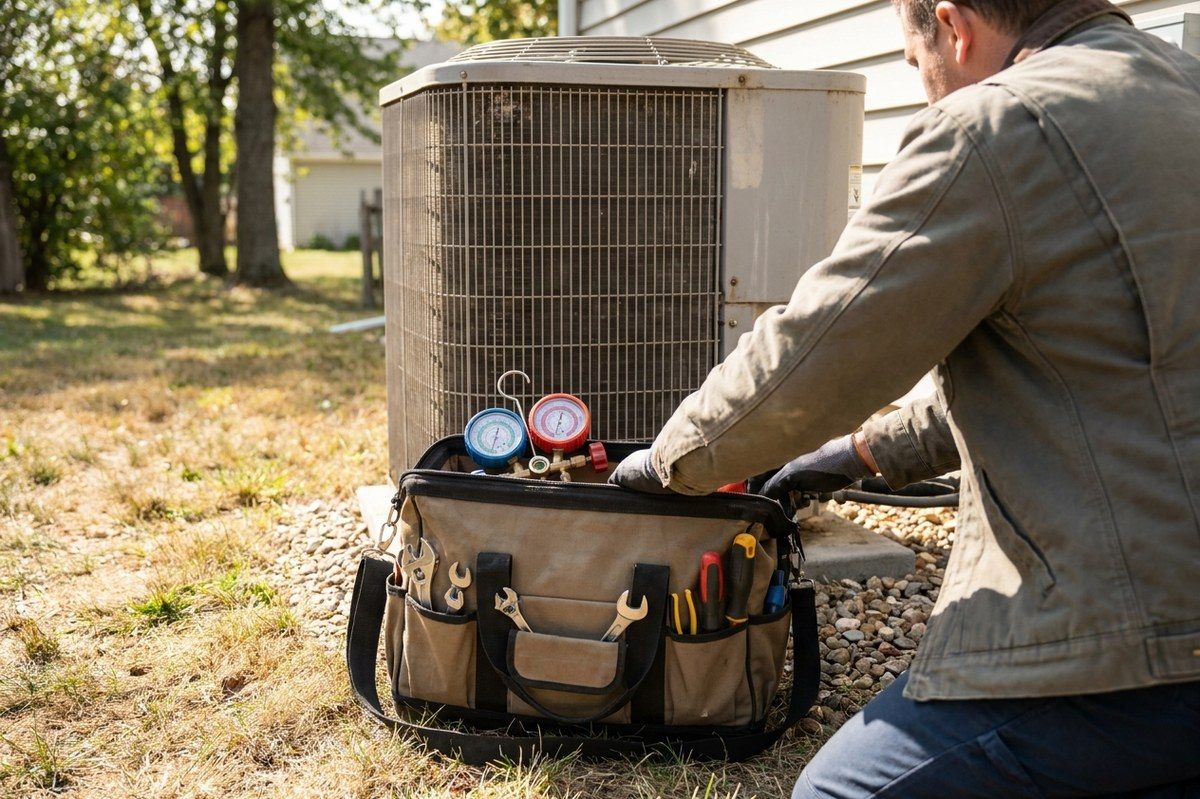
Written by the James River Heating & Air service team and checked by our field technicians
Why one room drifts from the rest of the house
A single uncomfortable room almost always means that room is getting a different amount of air than the plan called for. Long duct runs lose pressure and heat before they arrive. Flex duct crushed against a joist or kinked around a corner chokes the supply. Rooms added later often tap an existing trunk that was already at its limit. Then there is return air. If a room has plenty of supply but no way for air to get back out, pressure builds and the supply slows down. Add a vented crawlspace under the floor and uninsulated duct in an attic, and the air arriving is already the wrong temperature.
Thermostat placement and the room you cannot win
Your thermostat only measures the air touching it. If it sits in a central hallway with no sun and no drafts, it will happily satisfy while a west-facing bedroom keeps climbing. That is not a broken thermostat. It is one sensor speaking for the whole house. We see it worst in brick homes where interior walls hold temperature and exterior rooms swing hard. Sun load, a nearby lamp, a supply vent blowing right at the stat, or a thermostat mounted on an exterior wall all skew readings. Sometimes the answer is moving it. Sometimes it is a remote sensor or splitting the house into zones.
What we measure when we come out
We start with numbers, not guesses. Temperature at the supply vent in the problem room compared to a room that works. Airflow at each register so we can see whether that room is starved or just losing heat through the walls. Static pressure at the air handler, which tells us if the whole duct system is restricted or if the issue is local. Then we get eyes on the duct itself, in the crawlspace or attic, looking for disconnected boots, crushed flex, missing insulation and open seams dumping conditioned air into unconditioned space. We also check filter condition, blower speed and return sizing, plus insulation depth and obvious air leaks around the room.
The realistic fixes, cheapest first
Most of these rooms get solved without replacing equipment. Repairing a disconnected duct boot or straightening a crushed flex run can change a room overnight. Insulating and sealing duct in a vented crawlspace stops the loss before the air reaches you. Adding a properly sized branch, upsizing an undersized run, or cutting in a return path evens out pressure. Damper adjustments balance air between floors. Where the room is far from everything else, a ductless head handles it directly and lets the main system stop fighting. Air sealing and attic insulation help any of these work better. We tell you which of these your house actually needs and what order makes sense.
Safe checks you can do before you call
Change the filter if it is grey or matted, and make sure it is seated the right direction. Confirm every supply vent and return grille in the room is open and not blocked by a bed, curtain or rug. Check that interior doors can stay open, since a closed door often traps the pressure that is slowing your air. Look at the thermostat batteries and the mode and setpoint. Clear leaves, mulch and shrubs back a couple of feet from the outdoor unit. If a breaker has tripped, reset it once. If it trips again, stop and call us. Anything involving gas, refrigerant or high voltage is ours to handle.
The Room That Never Gets Comfortable — straight answers
Should I close vents in other rooms to force more air to the hot one?
No. Closing vents raises pressure in the duct system, which can slow the blower, cut total airflow and stress equipment. It rarely helps the problem room much. Balancing dampers at the trunk is the controlled way to shift air.
Is a bigger AC or furnace the answer?
Usually not. Oversized equipment short cycles, leaves humidity behind and still cannot push air through a restricted or leaky duct run. We measure airflow and duct condition first, because the room is normally a distribution problem.
Why is the room over my crawlspace always cold in winter?
Cold crawlspace air pulls heat out of the floor and out of any uninsulated or leaking duct running through it. Sealing and insulating that duct, plus addressing floor insulation and air leaks, usually makes the biggest difference.
How it works
- Step 1
Tell us the symptom
Call or fill in the form and describe what changed. Warm air, short cycling, a smell, water near the indoor unit. Details like that help us load the right parts before we leave.
- Step 2
We diagnose the whole system
We check the thermostat, the indoor unit, the outdoor unit and the ductwork, including runs in crawlspaces where damp air and loose joints quietly cause weak airflow and long run times.
- Step 3
You approve the fix
We explain what failed, what it takes to repair it, and what we would watch next season. Nothing gets replaced without your yes, and we clean up before we leave.
- A real person answers
- Open 7 days
- Written quote before work starts
Why homeowners call us
- Humidity is our home groundMuggy summers and damp shoulder seasons drive most of the calls we take. We look at moisture and airflow together, not the cooling number alone, because a clammy house often means a sizing or duct problem.
- Crawlspace ducts get checkedOlder homes across the region run supply ducts through vented crawlspaces. Crushed flex, disconnected boots and soaked insulation show up constantly, and we get under the house to look instead of guessing from the register.
- Heating and cooling bothSame crew for air conditioning repair in July and heating repair in January. We know how your furnace, heat pump and air handler share ducts and a blower, so one visit covers the whole system.
- Plain talk on repair or replaceWhen a repair makes sense, we repair it. When a system is failing in ways that will keep costing you, we say so and explain why, then leave the decision with you and your timeline.
- All major brands, gas & electricCarrier, Trane, Lennox, Goodman, Rheem, York and more, as an independent company.
- Straight answersIf a system is not worth repairing, we say so, often right on the phone.
About this guide
If the safe checks didn't fix it, the fault is real
Report what you saw during the checks and we handle the rest. A minute to book.
- A real person answers
- Open 7 days
- Written quotes
- All major brands
- Gas & electric
Rather not call? Get a free quote →